Leadership Begins Long Before the Boardroom
Watch a group of seven-year-olds planning a class play and you’ll spot it quickly. One girl hands out roles, another settles an argument over who gets to be the queen, and a quiet one suggests a clever twist nobody else had thought of. Each of them is leading, in her own way.
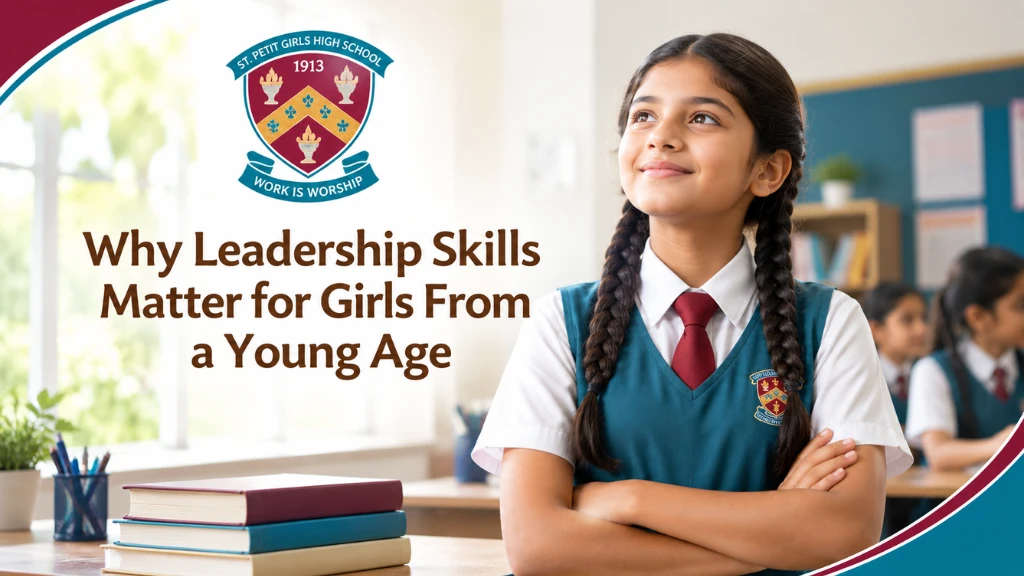
We often talk about leadership as something meant for adults: managers, politicians, CEOs. Yet the qualities behind it, such as speaking up, making choices and caring for a team, take root in childhood. For girls especially, the early years can decide whether those qualities flourish or quietly fade.
At Bai Avabai Framji Petit Girls’ High School, we see this play out every day. Here’s why nurturing leadership in girls from a young age matters so much, and how schools and families can work together to make it happen.
What Leadership Really Means for a Young Girl
For a child, leadership has little to do with titles. It shows up in small, ordinary moments: a girl who helps a new classmate find her way, owns up to a mistake, or volunteers to read aloud even though her voice shakes.
At its heart, leadership is a blend of confidence, responsibility and kindness. It means believing your ideas are worth sharing while still making space for others. These are life skills, not just career skills, and every girl deserves the chance to develop them.
Why the Early Years Make Such a Difference
1. Confidence Grows With Practice
Confidence isn’t something a child simply has or lacks. It builds slowly, through experience. When a girl is trusted with a responsibility and handles it well, she learns that she is capable. When she stumbles and is encouraged to try again, she learns that setbacks aren’t the end of the story.
Many educators notice that girls’ self-assurance can dip as they approach adolescence. Giving them regular chances to lead before that stage creates a sturdy foundation they can lean on later.
2. Habits Formed Early Tend to Stay
Children absorb patterns quickly. A girl who grows up raising her hand, asking questions and sharing opinions carries those habits into secondary school, college and the workplace. Waiting until she’s a teenager to “teach” leadership often means working against years of holding back.
3. Moving Past the “Bossy” Label
Assertive boys are frequently praised as natural leaders, while girls showing the same behaviour may be called bossy or too talkative. Over time, such labels teach girls to shrink. Recognising and encouraging their initiative early helps them see that being decisive and being kind can go hand in hand.
Everyday Leadership Skills Girls Can Build
1. Clear Communication
Expressing thoughts clearly, whether in a class presentation or a disagreement with a friend, is a core leadership skill. Storytelling sessions, debates and show-and-tell give young girls a safe stage to find their voice.
2. Thoughtful Decision-Making
Simple choices, like picking a project topic or planning a group’s task list, help children weigh options and live with the outcome. Small decisions today prepare them for bigger ones tomorrow.
3. Teamwork and Empathy
Good leaders bring people together. Group projects, sports and community service teach girls to share credit, include quieter voices and understand different points of view.
4. Resilience
Not every idea will work, and not every class election will be won. Learning to handle disappointment with grace matters just as much as celebrating success.
The Role of School in Shaping Young Leaders
Home lays the groundwork, but school is where children practise leadership among peers every single day. The right environment can turn a hesitant girl into a self-assured one.
Why a Girls’ School Environment Helps
Many parents who search online for a “Girls Primary School Mumbai” ask a common question: does a single-gender setting really make a difference? In our experience, it does.
More Room to Speak Up
In an all-girls classroom, every leadership role, from class monitor to house captain to the lead in the annual play, is filled by a girl. There’s no unspoken expectation about who should take charge. Students simply step forward.
Role Models Close at Hand
Younger students look up to senior girls who head clubs, organise events and represent the school. Seeing someone just a few years older lead with poise makes leadership feel real and within reach.
Values Rooted in Community
As a Parsi School in Mumbai, Bai Avabai Framji Petit Girls’ High School draws on a community tradition that has long valued education, charity and service. Those values shape how we think about leadership: not as power over others, but as responsibility towards them. Our students, whatever their background, are encouraged to lead with integrity, compassion and respect.
Through assemblies, inter-house competitions, cultural celebrations, sports and student councils, girls get countless opportunities to plan, organise and guide others. Teachers act as mentors, nudging shy students forward and helping outspoken ones learn to listen. This balance is exactly what families look for when choosing a Top Girls School in Mumbai: an education that builds character alongside academics.
How Parents Can Support Leadership at Home
Schools can’t do it alone. Parents play a huge part, often in quiet, everyday ways:
- Let her make age-appropriate choices, like planning a weekend outing or picking a family meal.
- Ask for her opinion at the dinner table, and genuinely listen to the answer.
- Praise effort and courage, not only results.
- Give her household responsibilities she can own from start to finish.
- Share stories of women leaders, from history and from your own family.
- Resist the urge to step in every time she struggles; let her solve small problems herself.
When the message at home matches the message at school, girls grow up believing their voice matters everywhere.
Raising the Leaders of Tomorrow
Leadership isn’t a trait reserved for a lucky few. It’s a set of skills every girl can learn, and the earlier she starts, the more natural it becomes. A child who learns to speak up, make decisions and care for her team grows into a woman ready to shape her community, her workplace and her world.
At Bai Avabai Framji Petit Girls’ High School, we believe every girl has a leader inside her. Our role is to help her discover it, nurture it and let it shine.
Looking for a school where your daughter will grow in confidence, character and leadership? Visit Bai Avabai Framji Petit Girls’ High School and see how we help every girl find her voice.
FAQs
1. Why should girls develop leadership skills at a young age?
Early leadership experiences build confidence before adolescence, when many girls begin doubting themselves. Habits like speaking up, making decisions and working in teams become second nature, preparing girls for success in school, careers and everyday life.
2. What leadership skills can primary school girls learn?
Primary school girls can learn clear communication, simple decision-making, teamwork, empathy and resilience. Class presentations, group projects, sports, debates and helping classmates give them safe, everyday chances to practise these skills and grow steadily.
3. Does an all-girls school help build leadership?
Yes. In an all-girls school, every leadership role is held by a girl, so students step forward without hesitation. Senior students also serve as visible role models, making leadership feel natural and achievable for younger girls.
4. How can parents encourage leadership in their daughters?
Parents can let daughters make age-appropriate choices, ask for their opinions, assign household responsibilities and praise effort over results. Allowing girls to solve small problems on their own builds independence, confidence and sound decision-making.
5. How does Bai Avabai Framji Petit Girls’ High School develop leadership?
The school nurtures leadership through assemblies, student councils, inter-house events, sports and cultural programmes. Teachers mentor each girl, encouraging shy students to speak up and helping confident ones lead with empathy, integrity and respect.